
A New Fed Chair Just Took Over. Does It Mean Anything for MA/RI Home Buyers and Sellers?
- David Cutler
- May 14
- 3 min read

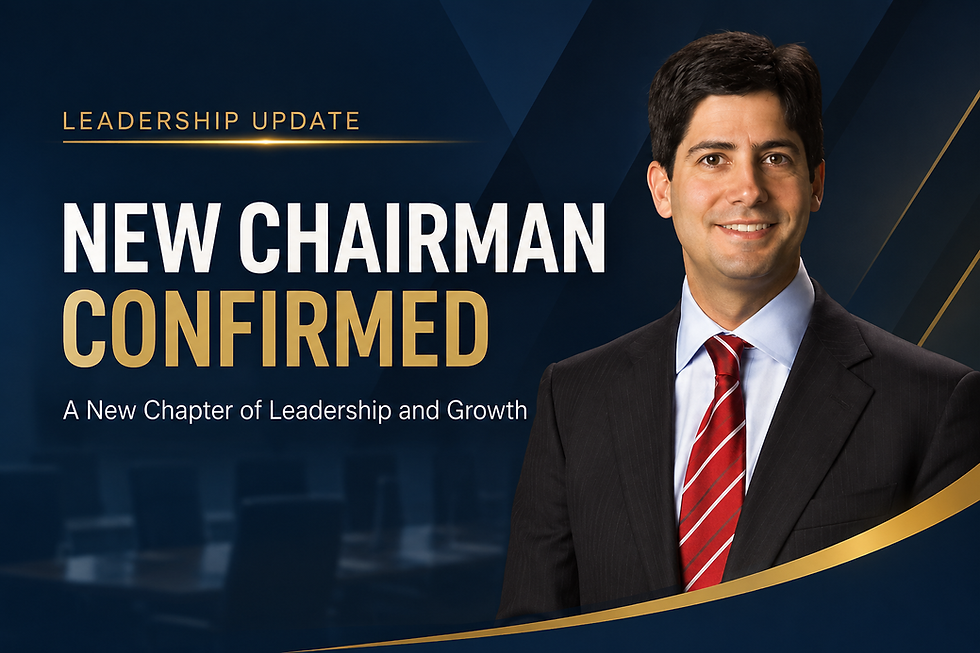
If you've been watching mortgage rates — or waiting for them to drop before making your move — yesterday's news out of Washington is worth a quick read.
Kevin Warsh was confirmed Wednesday as the next chair of the Federal Reserve, succeeding Jerome Powell in the most divisive Senate vote for a Fed chair in modern history: 54 to 45, almost entirely along party lines.
It's a significant moment. But what it actually means for the housing market is a little more nuanced than the headlines suggest.
Who Is Kevin Warsh?
This is actually Warsh's second stint at the Fed. He served on the board from 2006 to 2011 — a stretch that covered the subprime mortgage meltdown and the financial crisis that followed. He's not new to navigating turbulence.
Since leaving, he's been a vocal critic of monetary policy and has pushed for changes to how the Fed operates — fewer meetings, fewer press conferences, and a leaner balance sheet. He comes in with a clear agenda.
What About Jerome Powell?
Here's something most people don't realize: Powell isn't gone. He still has two years left in his term as a Fed governor and will remain on the board — meaning he keeps his vote on interest rate decisions. The last time a Fed chair stayed on after stepping down was nearly 80 years ago. It's a deliberate move to preserve institutional stability, and it's worth knowing.
So Will Rates Drop?
This is the question everyone is really asking — and the honest answer is: probably not anytime soon.
Markets are currently pricing in a 97% chance that rates hold unchanged at Warsh's first meeting as chair, scheduled for June 16–17, and most expectations have the Fed staying at 3.50%–3.75% through the rest of 2026.
The reason is straightforward: inflation is still the problem. Consumer prices rose 0.6% in April after a 0.9% jump in March — well above the Fed's 2% target. Until that picture changes, rate cuts are a tough sell regardless of who's running the show.
And Warsh, for all his alignment with the administration's preferences, is just one vote on a 12-member committee. He controls the agenda. He doesn't control the outcome.
What This Means If You're Buying or Selling on the South Shore
A few things worth sitting with:
If you're waiting for rates to fall before buying — the data isn't pointing to relief this year. Waiting has a real cost: continued rent payments, rising prices, and the very real possibility that when rates do drop, competition surges and the advantage disappears.
If you're a seller wondering about buyer demand — the buyers who are active right now are serious. They've accepted today's rates and are moving forward anyway. That's a healthier, more committed pool than what a rate-driven frenzy typically brings.
The bigger picture — leadership change at the Fed creates uncertainty, and uncertainty makes people pause. That pause is often where opportunity lives, for buyers who stay clear-headed and sellers who price with purpose.
No single person — not even the Fed chair — can flip a switch on mortgage rates. What I can tell you is that the South Shore market keeps moving, and the people I work with who are winning right now aren't waiting for perfect conditions. They're making smart decisions in the conditions in front of them.
If you want to talk through what any of this means for your specific situation, I'm happy to have that conversation.


Comments