
Is Your Home Bigger Than the Town Thinks It Is?

Welcome back from the long weekend. If your inbox looks anything like mine this morning, it's a lot to wade through, so let's start with something useful instead of another "hope you had a great 4th."
Here's a question worth five minutes of your time: do you know exactly how your town's assessor calculated your home's living square footage?
Most people don't. And most people assume the number on their property card is just right. It's not always.
What I keep running into
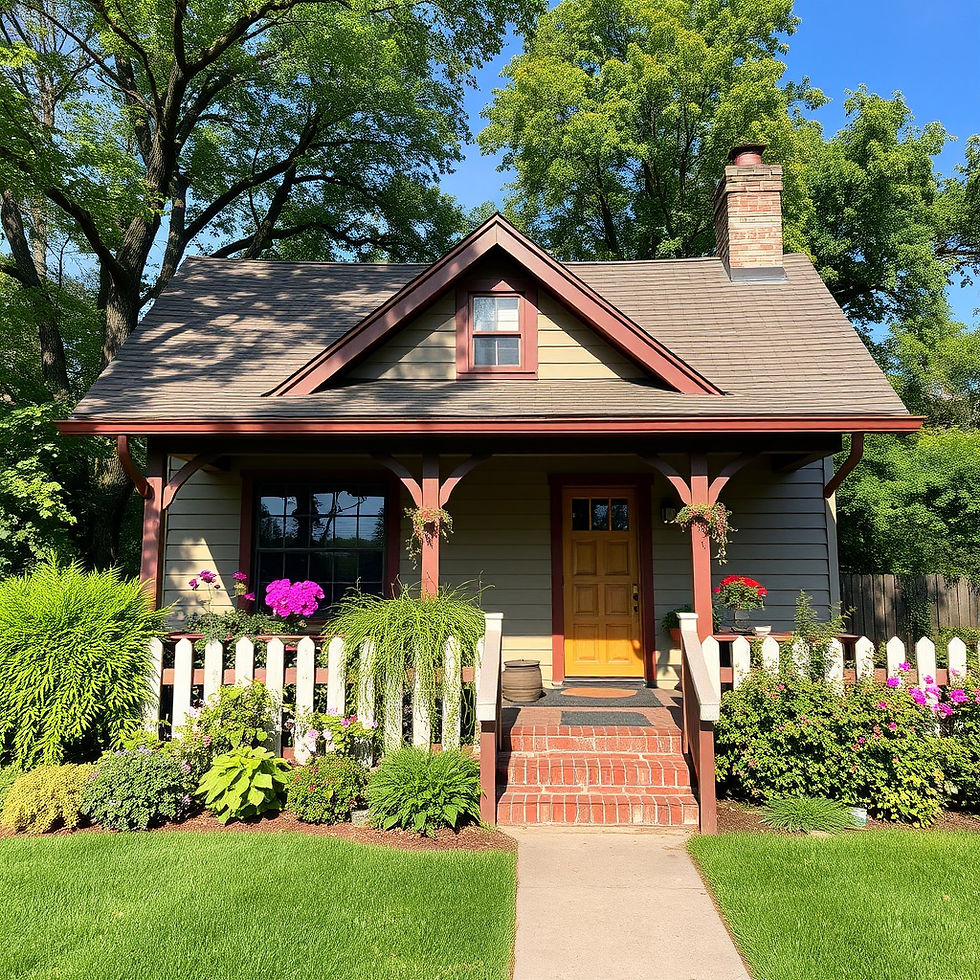
Over my last five closings, two homeowners had the exact same surprise: an enclosed front porch, heated, finished, lived in every day, that wasn't counted as living space at all. Between the two of them, that added up to over 400 square feet sitting completely unaccounted for. One family had been living with it for years without ever knowing it wasn't "officially" part of their home.
Think about that for a second. That's a home office. A playroom. A full extra bedroom's worth of space, existing in real life, but invisible on paper.
And it's not always a quick fix to figure out why. On one of these, we traced ownership back several owners trying to pin down exactly when that porch was finished: permit records, old listings, anything. We never found a clean answer. Sometimes the paper trail just doesn't exist, and you have to work with what you can prove today rather than what happened decades ago.
This isn't only a front porch thing, either. Finished basements, converted garages, three season rooms that got insulated and drywalled somewhere along the way. Any of these can quietly fall through the cracks of an assessor's record.
Why this actually matters to you
If you're not planning to sell anytime soon, this might feel like trivia. But a couple things are worth sitting with:
Insurance and taxes are often based on the same official record. An inaccurate card can cut both ways.
Appraisals lean heavily on documented living space. If yours is undercounted, so is your equity, at least on paper.
Buyers' agents pull the card first. If your finished space isn't reflected there, it's not showing up in the comps that set your price before a single showing happens.
So here's the real question: if your home is quietly worth more than its own paperwork says, wouldn't you want to know that before you need the number to be right?
What to actually check
Pull up your town's assessor database (most are online and free to search) and compare it against reality:
Is your enclosed porch, sunroom, or finished addition listed as living area, or as "porch," "unheated," or left off entirely?
Does the total square footage match what you'd get if you measured the finished, heated space yourself?
If there's a gap, is it because of a missing permit, an old assessment, or just a data entry that never got updated?
That third one matters. Sometimes it's a quick form. Sometimes it opens a different conversation about permitting. Either way, better to know now than to find out during a home inspection.
One important thing before you do anything
Finding a gap like this doesn't mean you should run out and update your assessor's card tomorrow. Reporting it typically means being taxed on it, so if you're not selling anytime soon, there's often little upside to rushing that process.
Where it matters is when you decide to sell. That's the moment this extra space needs to be reflected in the comps, in the appraisal, in what buyers see. Knowing about it now just means you're not caught flat footed later, and you can plan the timing around your own goals, not the town's.
This is honestly one of the quieter things I look for whenever I walk a home before listing, not because every house has a hidden 400 square feet, but because it costs nothing to check, and every so often it changes the whole conversation about what a home is worth.
The part nobody talks about
This isn't really about square footage. It's about the gap between what you actually have and what's officially documented, and how often that gap works against homeowners simply because nobody ever looked.
So, genuinely curious: have you ever pulled your own property card and compared it to your home? If you have, what did you find? And if you haven't, what's stopping you from spending five minutes on it this week?
Questions about your own property card, or want a second set of eyes on it? I'm always happy to look.


Comments